To prevent holes in socks, ensure you get high-quality socks, keep your toenails trimmed, and always wear shoes. Socks develop holes and rip due to the friction created when walking, as they are compressed against abrasive surfaces such as the ground, insoles, toenails, and rough spots on feet.
These factors gradually degrade socks, leading to holes. By investing in high-quality socks, practicing proper foot hygiene, and providing protective footwear, you can minimize the occurrence of holes in your socks.
Understanding The Causes Of Holes In Socks
Friction created during walking
Socks develop holes and rip due to the friction created when walking. When we walk, our socks are compressed against various abrasive surfaces such as the ground, insoles, toenails, and even rough spots on our feet. This constant rubbing and pressure gradually degrade the fibers of the socks, eventually leading to holes.
Compression against abrasive surfaces
Another common cause of holes in socks is the compression against abrasive surfaces. The constant compression of socks against rough surfaces, such as the ground or the inside of our shoes, can cause rapid deterioration. This compression weakens the fabric, making it more susceptible to tears and holes.
Improper sizing and thin material
Aside from friction and compression, improper sizing and thin material also contribute to sock holes. Ill-fitting socks that are either too tight or too loose can place undue stress on specific areas, leading to weakened fibers and subsequent holes. Additionally, socks made from thin material are naturally more prone to tearing and breaking apart.
To prevent holes in socks, it is important to invest in high-quality socks made from durable materials. Look for socks with reinforced toes and heels, as these areas are particularly vulnerable to wear and tear. Additionally, trimming your toenails regularly will minimize the risk of accidental snags or tears. Lastly, always ensure that you wear well-fitting shoes that provide proper support and cushioning, as this will reduce the friction and compression your socks experience during walking.
By understanding the common causes of holes in socks and taking preventive measures, you can extend the lifespan of your socks and avoid the frustration of constantly having to mend or replace them.
Choosing The Right Socks
Selecting the right socks can make a significant difference in preventing holes and prolonging the longevity of your favorite pairs. From opting for high-quality materials to considering reinforced areas for high impact zones, here are some factors to keep in mind when choosing the right socks.
Opt for high-quality, durable materials
When it comes to sock durability, the material plays a crucial role. Choosing socks made from high-quality materials, such as combed cotton or merino wool, can significantly reduce the risk of holes. These materials are known for their strength, resilience, and ability to withstand friction.
Consider reinforced areas for high impact zones
If you’re prone to wearing through socks quickly, paying attention to reinforced areas can help. Some socks feature extra padding or reinforced stitching in high impact zones like the heel and toe. These reinforced areas add an extra layer of protection, minimizing the chances of holes forming in these vulnerable areas.
Select proper sizing for a snug fit
Proper sizing is essential for preventing holes in socks. Ill-fitting socks can cause excess rubbing and friction, leading to premature wear and tear. Ensure you choose the right size for a snug fit that keeps the sock in place without being too tight. This way, the sock will move with your foot, reducing friction and minimizing the risk of holes.
In conclusion, choosing the right socks can go a long way in preventing holes. Opting for high-quality materials, considering reinforced areas, and selecting the proper size are all factors to keep in mind. By taking these steps, you can extend the lifespan of your socks and enjoy comfortable, hole-free feet.
Proper Care And Maintenance Of Socks
Wash socks in cold water and gentle cycle
One of the most important aspects of preventing holes in socks is proper washing. To ensure the longevity of your socks, it is recommended to wash them in cold water using a gentle cycle. Cold water helps to preserve the fabric and prevent shrinkage, while a gentle cycle protects the stitching and reduces the chances of damage. Avoid using hot water as it can weaken the fibers, making them more prone to developing holes.
Avoid using bleach or harsh chemicals
When washing your socks, it is crucial to avoid using bleach or any harsh chemicals. These substances can weaken the fibers and cause them to deteriorate faster, leading to holes in your socks. Instead, opt for mild and gentle detergents specifically designed for delicate fabrics. This will help maintain the integrity of the socks and prevent unnecessary wear and tear.
Air dry or use low heat setting in the dryer
After washing, it is best to air dry your socks whenever possible. Hanging them up or laying them flat allows the socks to maintain their shape and reduces the risk of stretching or shrinking. However, if you prefer using a dryer, make sure to use the low heat setting. High heat can cause the fibers to weaken and increase the possibility of holes forming in your socks. Additionally, avoid overdrying as it can make the fabric brittle and more prone to damage.
By following these simple care and maintenance tips for your socks, you can significantly reduce the chances of holes developing. Remember to wash your socks in cold water with a gentle cycle, avoid using bleach or harsh chemicals, and opt for air drying or low heat setting in the dryer. These steps will help keep your socks in great condition for longer, saving you money and ensuring maximum comfort.
Sock Reinforcement Techniques
Keeping your socks in good condition is essential for their longevity. Preventing holes in socks can save you money and ensure you always have a comfortable pair to wear. Luckily, there are several effective sock reinforcement techniques you can employ to extend the lifespan of your favorite socks. In this article, we will explore three popular methods: darning, patching, and adding reinforcement stitching.
Darning: Repairing small holes
If you notice a small hole in your sock, don’t worry! Darning is a simple and effective method to repair these small holes and prevent them from getting bigger. To darn a sock, follow these steps:
- Thread a needle with a matching thread color to your sock.
- Begin stitching along the edges of the hole, creating a grid-like pattern.
- Continue stitching until the hole is completely covered and reinforced.
- Trim any excess thread, and your sock is ready to wear again!
By darning your socks, you can quickly and easily repair small holes, ensuring they don’t develop into larger, irreparable damages.
Patching: Reinforcing holes with fabric patches
Another effective technique for reinforcing sock holes is patching. Patching involves using fabric patches to cover and strengthen the damaged area. Here’s how you can patch your socks:
- Select a fabric patch that matches the color and texture of your sock.
- Cut the patch into a suitable shape and size to cover the hole.
- Place the patch over the hole and secure it in place using a needle and thread or fabric glue.
- Ensure the edges are securely fastened, providing a strong reinforcement.
Patching not only strengthens the weak spots but also adds a unique touch to your socks, making them truly one-of-a-kind.
Adding reinforcement stitching
For maximum durability, adding reinforcement stitching is a highly effective technique. This method involves stitching around the vulnerable areas of the sock, preventing any further damage or holes. Here’s how to reinforce your socks with stitching:
- Thread a needle with a strong, contrasting thread color.
- Select the areas that are prone to wear and tear, such as the toes, heel, and sole.
- Stitch around these areas using a strong and sturdy stitch pattern.
- Ensure the stitches are tight, providing a solid reinforcement for your socks.
By reinforcing your socks with additional stitching, you are adding an extra layer of protection, preventing holes from forming in the first place.
Implementing these sock reinforcement techniques can significantly extend the lifespan of your socks and save you from constantly buying new pairs. Whether you choose to darn, patch, or add reinforcement stitching, taking care of your socks will ensure their durability and keep your feet comfortable for longer periods.
Tips For Minimizing Friction And Wear
Keep toenails trimmed and smooth
One of the major causes of holes in socks is the friction created by toenails. When toenails are long or uneven, they can rub against the fabric of the sock, causing it to wear out faster. To prevent this, it’s important to keep your toenails trimmed and smooth. Regularly trimming your nails will not only help protect your socks but will also promote overall foot health and prevent ingrown toenails. Use a proper nail clipper and file to ensure a smooth edge. This simple habit can significantly extend the lifespan of your socks.
Use moisturizer to soften rough spots on feet
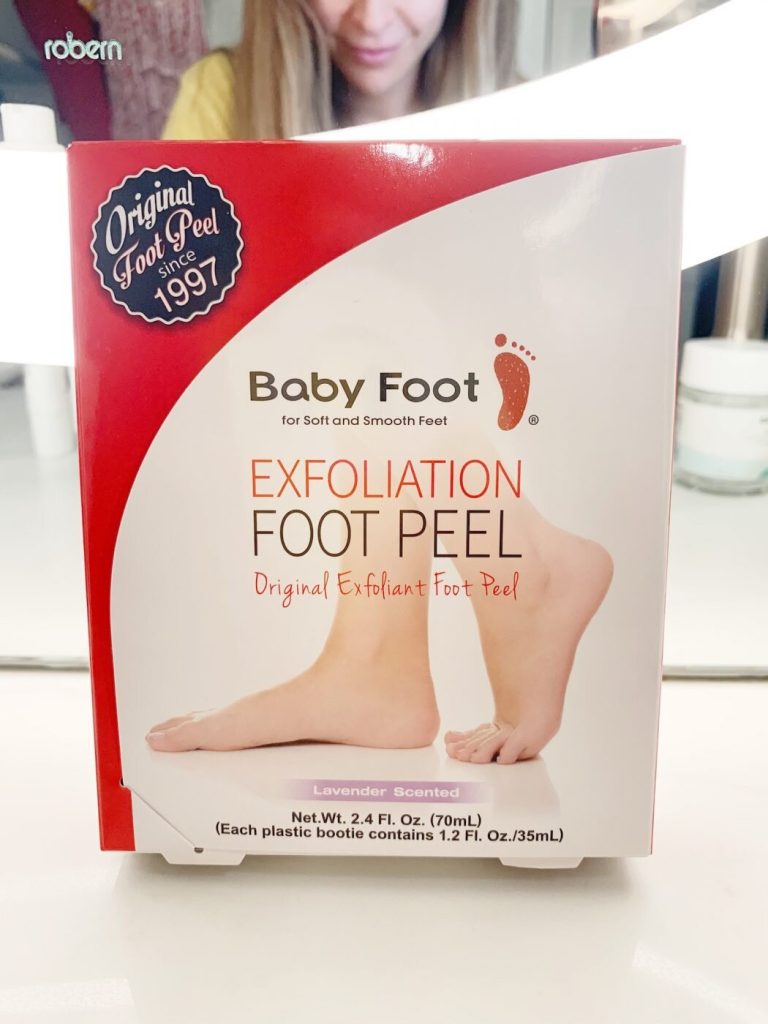
Rough spots on the feet, such as calluses and dry patches, can contribute to increased friction and wear on socks. To minimize this, regularly moisturize your feet to keep them soft and smooth. A high-quality moisturizer or foot cream can help soften rough spots and prevent them from rubbing against the fabric of your socks. Apply the moisturizer before going to bed and let it absorb overnight for best results. By maintaining soft feet, you can reduce friction and minimize damage to your socks.
Wear properly fitted shoes with cushioning
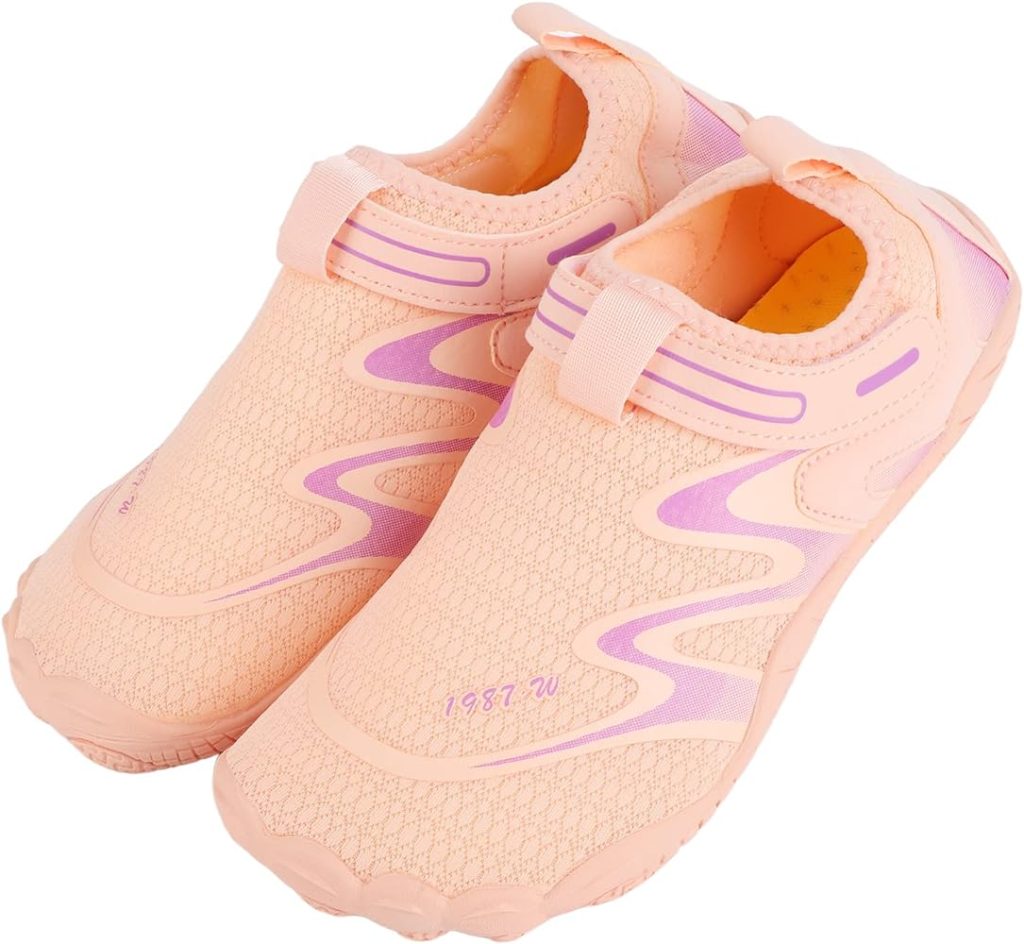
Choosing the right footwear is essential to prevent holes in socks. Ill-fitting shoes can cause excessive rubbing and friction, leading to accelerated wear and tear. Opt for properly fitted shoes that provide adequate cushioning and support. The cushioning acts as a barrier between your feet and the socks, reducing the impact and friction. It’s important to regularly check your shoe size, as foot size can change over time. Additionally, ensure there is enough room for your toes to wiggle without being cramped. This will not only protect your socks but also promote overall foot comfort and prevent foot-related issues.
Preventing Stretching And Distortion
Stretching and distortion can lead to holes in socks over time. By taking a few preventive measures, you can keep your socks in great shape for longer. Here are some tips to prevent stretching and distortion:
Avoid overstretching when putting on socks
When putting on your socks, it’s important to avoid overstretching them. Pulling the socks too forcefully can cause them to lose their shape and lead to stretching and distortion. Instead, take your time and carefully glide the socks up your feet and calves. This will prevent unnecessary strain on the fabric and reduce the risk of holes forming.
Use sock aids or helpers to prevent excessive pulling
If you find it difficult to put on socks without overstretching them, consider using sock aids or helpers. These tools can help you slide the socks onto your feet without excessive pulling or tugging. Sock aids come in various forms, such as devices that hold the socks open or flexible tubes that allow you to easily slip your feet in. By using these aids, you’ll minimize the risk of stretching and distortion, ensuring your socks stay intact.
Store socks flat or in pairs to maintain shape
After wearing your socks, it’s essential to store them properly to maintain their shape. Avoid crumpling them into a ball or stuffing them in drawers haphazardly. Instead, lay your socks flat or fold them neatly in pairs. This will prevent unnecessary stretching and distortion while ensuring that each sock retains its form. Additionally, organizing your socks this way makes it easier to find a matching pair, saving you time and frustration in the morning.
Follow these tips to prevent stretching and distortion in your socks. By being mindful of how you put on your socks, using sock aids if necessary, and storing them properly, you can extend the lifespan of your socks and avoid those pesky holes. Taking care of your socks will not only save you money in the long run but also keep your feet comfortable and protected throughout the day.
Regular Inspections And Replacements
When it comes to preventing holes in socks, regular inspections and replacements are key. By checking your socks for signs of wear and thinning, replacing them before they develop holes, and rotating them to distribute wear evenly, you can prolong their lifespan and keep your feet comfortable.
Check socks for signs of wear and thinning
One of the best ways to prevent holes in socks is to regularly inspect them for signs of wear and thinning. This can be done by visually examining the fabric and feeling for any thin areas. Pay close attention to high-friction areas such as the heel and ball of the foot, as these are most prone to wearing out.
Look for any visible thinning of the fabric, as well as signs of pilling or fraying. If you notice any of these indicators, it’s a good idea to replace the socks before they develop holes. Catching the problem early can help prevent further damage and prolong the life of your socks.
Replace socks before they develop holes
Replacing socks before they develop holes is another effective strategy for preventing them from forming. Even small holes can quickly grow, so it’s important to stay proactive. When socks start showing signs of wear, it’s time to invest in some new ones.
Consider the fabric and quality of the sock when determining how quickly they may wear out. Thinner or lower-quality materials may need to be replaced more frequently. Investing in high-quality socks made from durable materials can help reduce the likelihood of holes forming.
Rotate socks to evenly distribute wear
Rotating your socks is an important step in preventing holes. By wearing different pairs of socks on different days, you can evenly distribute the wear and tear. This helps to prevent one pair from bearing the brunt of the friction and pressure, reducing the chances of holes forming.
You can create a rotation schedule that works for you. Consider having multiple sets of socks for different activities or occasions. By alternating between them, you can give each pair a chance to rest and recover, extending their lifespan.
Furthermore, make sure to follow proper washing and care instructions for your socks. This can also help maintain their integrity and prevent premature wear and tear.

Frequently Asked Questions Of How To Prevent Holes In Socks
Why Do My Socks Get Holes So Quickly?
Socks get holes quickly due to the friction caused by walking. Walking compresses socks against abrasive surfaces like the ground and rough spots on feet. Improper sizing, overuse, and thin material also contribute to socks ripping. To prevent this, wear high-quality socks that fit properly.
Is It Ok To Wear Socks With Holes?
It’s not OK to wear socks with holes. Holes can lead to blisters, calluses, and discomfort. It’s best to replace your socks when you notice holes to maintain foot health and prevent any further damage.
What Socks Don’T Get Holes In Easily?
To prevent holes in socks, choose high-quality socks, keep toenails trimmed, and always wear shoes while wearing the socks.
How Do You Protect Socks?
To protect your socks and prevent holes, follow these tips: 1. Use high-quality socks that are made with durable materials. 2. Keep your toenails trimmed to prevent them from snagging or tearing the fabric. 3. Always wear shoes when walking to provide an extra layer of protection for your socks.
4. Avoid overstretching or wearing socks that are too small, as this can lead to holes. 5. Consider investing in sock protectors or patches to reinforce areas prone to wear and tear.
Conclusion
To prevent holes in socks, it is important to understand the causes of damage. Walking creates friction against abrasive surfaces, leading to gradual degradation. To avoid this, opt for high-quality socks and keep toenails trimmed. Additionally, always wear shoes to provide an extra layer of protection.
By following these tips, you can ensure longer-lasting socks and minimize the need for constant replacements. Invest in quality and maintain proper care to keep your socks hole-free for longer.