Cutting cuticles is not recommended as it can lead to infections and nail problems. Many people wonder if it’s bad to cut their cuticles.
Cutting cuticles can actually be detrimental to the health of your nails. Dermatologists advise against cutting cuticles as it can open the door to infections and irritations. When you remove the cuticles, you create an open space where anything can get in.
Furthermore, cutting cuticles can cause nail problems such as ridges, white spots, or white lines. Instead of cutting them, dermatologists suggest pushing back your cuticles gently during a manicure. This way, you can maintain the health of your nails and avoid the risks associated with cutting cuticles.
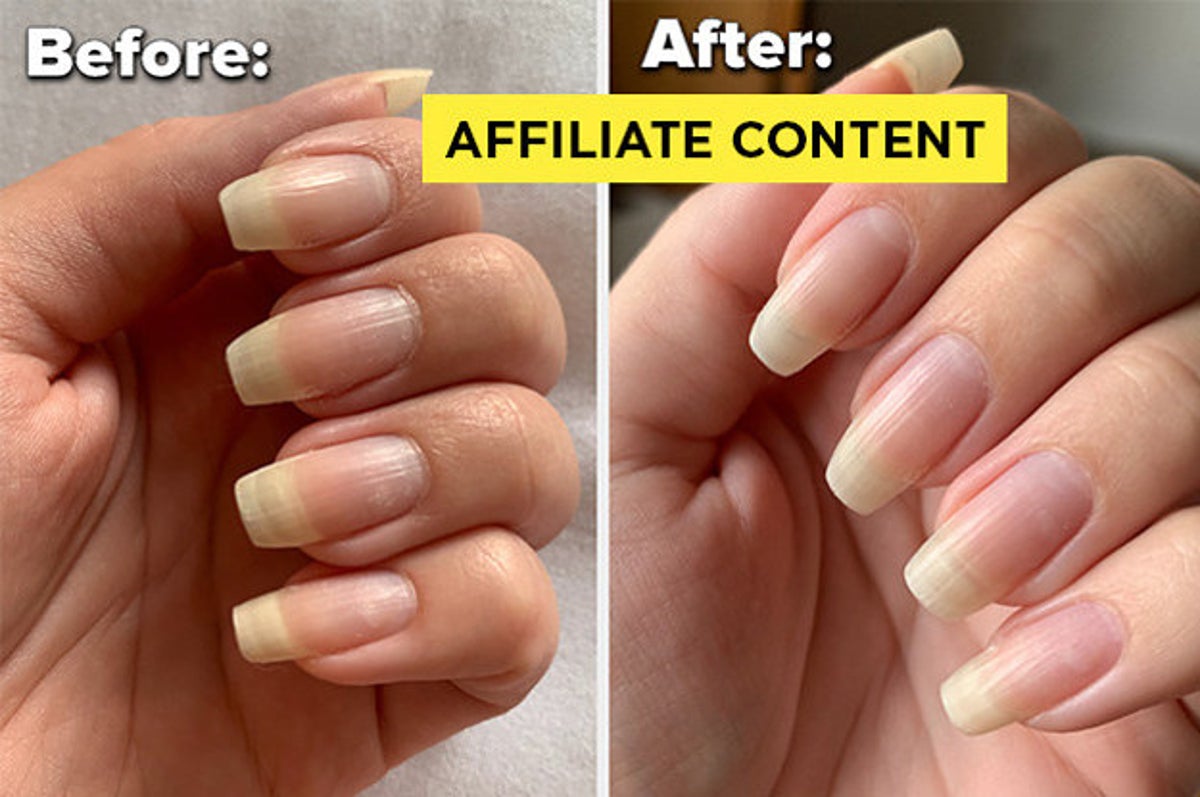
Credit: www.buzzfeed.com
Understanding Cuticles And Their Importance
When it comes to nail health, cuticles play a crucial role. Understanding what cuticles are and how they function is essential in maintaining healthy and beautiful nails. In this article, we will debunk common misconceptions about cuticles, examine their structure and function, and emphasize the importance of maintaining healthy cuticles.
What are cuticles and their role in nail health?
Cuticles are the thin, transparent layer of skin that surrounds the base of your fingernails. While they may seem insignificant, cuticles serve an important purpose in protecting your nails and the skin surrounding them from infections.
Contrary to popular belief, cuticles are NOT dead skin. In fact, they are made up of living tissue that acts as a barrier, preventing harmful bacteria and germs from entering the nail bed. By acting as a seal, cuticles help maintain the integrity and health of your nails.
Debunking common misconceptions about cuticles
There are several misconceptions and myths surrounding cuticles that need to be addressed:
-
- Myth 1: Cuticles should be cut or removed completely.
This is untrue. Dermatologists strongly advise against cutting cuticles since it can lead to infections, irritation, and other nail problems. Cutting or removing cuticles creates an open space for bacteria and germs to enter, which can result in various nail issues.
-
- Myth 2: Cuticles are dead skin.
False. Cuticles are living tissue that serve as a protective layer for your nails. They should not be mistaken for the dead skin cells that accumulate on the surface of the nails.
Examining the structure and function of cuticles
To better understand the significance of cuticles, it’s important to examine their structure and function:
| Structure | Function |
|---|---|
| Thin, transparent layer of skin | Acts as a seal to protect the nail bed |
| Made up of living tissue | Prevents infection and irritation by blocking harmful bacteria and germs |
The importance of maintaining healthy cuticles
Healthy cuticles are vital for overall nail health. By keeping your cuticles in good condition, you can enjoy the following benefits:
- Promote nail growth and strength
- Prevent hangnails and other nail deformities
- Protect the nails from infections and germs
- Enhance the cosmetic appearance of your nails
Therefore, it is crucial to adopt proper cuticle care practices to ensure their health and well-being. Avoid cutting or damaging them and instead focus on gentle maintenance and moisturization to keep them soft and supple.
Understanding the structure, function, and importance of cuticles allows us to appreciate their role in maintaining healthy nails. By debunking misconceptions and emphasizing proper cuticle care, we can ensure stronger and more beautiful nails in the long run.
The Dangers Of Cuticle Removal
Exploring the risks and potential complications of cuticle removal
Many individuals believe that the removal of cuticles is an essential step in maintaining healthy and aesthetically pleasing nails. However, dermatologists and nail experts argue that this practice can actually be detrimental to your overall nail health. The risks and potential complications associated with cuticle removal cannot be ignored.
When cuticles are cut or pushed back aggressively, it creates an open pathway for infection and irritation. The cuticle acts as a protective barrier against bacteria, fungi, and other pathogens. By removing this important layer, you are essentially leaving your nails vulnerable to potential infections.
Additionally, excessively removing cuticles can lead to nail problems such as ridges, white spots, or white lines. Your cuticles play a crucial role in maintaining the health and structure of your nails, and disturbing this delicate balance can result in undesirable consequences.
The relationship between cuticle removal and nail infections
The link between cuticle removal and nail infections cannot be overstated. When the cuticle is cut or pushed back, the area becomes susceptible to bacteria and germs. These harmful microorganisms can easily enter the exposed space and cause infections.
Infections, such as paronychia or onychomycosis, can occur when bacteria, fungi, or viruses penetrate the nail bed. These infections can cause pain, swelling, redness, and in severe cases, pus-filled abscesses. Treating nail infections can be a long and challenging process, often requiring medical intervention.
How cuticle removal can lead to nail problems and damage
Removing cuticles can also lead to various nail problems and damage. One common issue is the development of ridges on the nail surface. These ridges can make your nails appear uneven and rough. Similarly, white spots or lines may appear on the nails, further compromising their aesthetic appeal.
When cuticles are regularly removed, it disrupts the natural growth and formation of the nail plate. This can result in weakened and brittle nails that are prone to breakage and splitting. In some cases, the damage caused by cuticle removal may be irreversible, leading to long-term nail problems.
Expert opinions on why cuticle removal is unnecessary and harmful
Dermatologists and nail experts unanimously assert that cuticle removal is unnecessary and harmful. According to Dr. Erika Summers, a dermatologist at the University of Utah Health, cutting the cuticles increases the risk of infection. By removing this protective layer of skin, you are exposing your nails to potential pathogens.
Furthermore, experts stress that the true cuticle that needs to be removed is the small, scaly area of dead skin that is stuck to the nail plate. This dead skin cell buildup can cause hangnails and hinder natural nail growth. The removal of this excess dead skin is enough to maintain the health and aesthetic appearance of your nails.
In conclusion, the dangers of cuticle removal cannot be overlooked. It is essential to prioritize the health and well-being of your nails by avoiding aggressive cuticle removal practices. By allowing your cuticles to perform their natural protective function, you can ensure the longevity and beauty of your nails.
Proper Cuticle Care And Maintenance
Proper cuticle care and maintenance are essential for healthy nails and overall nail health. Neglecting cuticles can lead to dryness, peeling, and even infections. However, it’s important to note that cutting or removing cuticles can do more harm than good. Dermatologists strongly advise against cutting cuticles as it can leave the nail bed vulnerable to infections and other nail problems such as ridges, white spots, or white lines.
Best practices for caring for and maintaining cuticles
Instead of cutting or removing cuticles, there are alternative methods to care for and maintain them that are non-invasive and gentle. By following these best practices, you can ensure proper cuticle care without causing harm:
- Keep cuticles moisturized: Apply cuticle oil or hydrating creams regularly to keep the cuticles hydrated, soft, and supple. This will prevent dryness, cracking, and peeling.
- Avoid harsh chemicals: When choosing nail products, opt for non-toxic and gentle formulas that won’t strip away the natural oils of the cuticles. Harsh chemicals can cause damage and dryness.
- Gently push back cuticles: Instead of cutting, use a cuticle pusher or orangewood stick to gently push back the cuticles. This helps to maintain a neat and tidy appearance without risking infections or damage.
- Regular moisturizing treatments: Treat the cuticles to regular moisturizing masks or soaks to provide deep hydration. This will help to soften the cuticles and make them easier to push back without causing harm.
- Protect cuticles: When performing activities that may expose the hands to harsh chemicals or excessive moisture, such as washing dishes or gardening, wear gloves to protect the cuticles from damage.
Non-invasive alternatives to cuticle removal
(Informational Table)
| Cuticle Removal Alternatives | Description |
|---|---|
| Moisturizing Cuticle Oils | Applying cuticle oils regularly helps keep cuticles moisturized, preventing dryness and damage. |
| Hydrating Creams | Using hydrating creams specifically formulated for cuticles can nourish and condition them, promoting healthy growth. |
| Gentle Cuticle Pushers | Using a cuticle pusher made from gentle materials like wood or rubber helps push back cuticles without causing harm. |
| Regular Moisturizing Treatments | Treating cuticles to regular moisturizing masks or soaks provides deep hydration, softening them for easy and safe maintenance. |
Gentle methods for pushing back cuticles without causing harm
To push back cuticles without causing harm, it’s important to use gentle methods. Here are some safe and effective techniques:
- Softening cuticles: Soak hands in warm water for a few minutes to soften the cuticles before attempting to push them back.
- Using a cuticle pusher: Utilize a soft rubber or wooden cuticle pusher to gently push back the cuticles, starting from the base of the nail and moving towards the tip.
- Applying cuticle oil: Prior to pushing back the cuticles, apply a small amount of cuticle oil to nourish and soften them further, making the process easier.
- Avoid excessive force: Never force the cuticles back or use sharp tools that can cause injury. Be gentle and patient, as the cuticles should have some flex and resistance.
- Regular maintenance: Maintain a regular cuticle care routine to prevent the cuticles from growing excessively and becoming more difficult to manage.
By following these gentle methods, you can push back cuticles safely without causing harm or damage to the nails.
Hydrating and nourishing cuticles for optimal nail health
Hydrating and nourishing the cuticles is crucial for optimal nail health. By keeping the cuticles well-moisturized and nourished, you can promote healthy nail growth and prevent dryness or peeling. Here are some tips to ensure your cuticles stay hydrated and nourished:
- Apply cuticle oil or balm regularly: Massage a small amount of cuticle oil or balm into the cuticles to provide intense hydration and nourishment.
- Choose products with hydrating ingredients: Look for cuticle care products that contain hydrating ingredients such as jojoba oil, almond oil, shea butter, or vitamin E.
- Avoid harsh nail polish removers: Acetone-based nail polish removers can be drying to the cuticles. Opt for gentle, acetone-free removers instead.
- Protect cuticles from harsh elements: Wear gloves when exposing your hands to cold weather or when using cleaning products to prevent damage and dryness.
- Drink plenty of water: Hydrating from the inside out is just as important. Drink an adequate amount of water daily to keep your nails and cuticles hydrated.
By following these steps, you can ensure your cuticles receive the hydration and nourishment they need for optimal nail health.
Frequently Asked Questions For Are Cuticles Bad
Is It Healthy To Remove Cuticles?
It is not healthy to remove cuticles because it can lead to infection or irritation. Cutting the cuticles leaves the area open for anything to get in, and it can also cause nail problems like ridges, white spots, or white lines.
Dermatologists recommend not cutting or pushing back cuticles.
Should You Push Your Cuticles Back?
Cuticles should not be pushed back or cut because it can increase the risk of infection and nail problems. Dermatologists advise against removing cuticles as they act as a protective layer. Cutting them can lead to open spaces where bacteria or irritants can enter.
It’s best to leave cuticles untouched during manicures.
Is It Bad To Get Cuticles Cut?
Cutting cuticles is not recommended as it can increase the risk of infection and nail problems like ridges or white spots. Dermatologists advise against it as it removes a protective layer of skin. Pushing cuticles back is a safer alternative during a manicure.
Why Do You Need To Remove Cuticles?
Removing cuticles is necessary to prevent hangnails, promote natural nail growth, and maintain clean-looking nails. Cuticles protect nails and the skin surrounding them from infection, so cutting them increases the risk of bacterial or germ entry and potential infections. Dermatologists advise against cuticle removal to avoid infection or irritation.
Conclusion
It is not advisable to cut your cuticles as it can lead to various nail problems and increase the risk of infection. Dermatologists recommend not cutting or pushing back the cuticles during a manicure. The cuticles serve as a protective layer for the nails and the surrounding skin, preventing bacteria and germs from entering.
Instead, it is important to moisturize the cuticles and avoid rough manicurists. By following these steps, you can keep your cuticles healthy and maintain strong and beautiful nails.