Sole of foot peeling can be caused by dry skin or a fungal infection. Proper hygiene and moisturizing can help prevent and treat this condition.
Soothing remedies like foot soaks and exfoliating scrubs can also provide relief and promote healthy skin on the soles of the feet. Experiencing peeling skin on the soles of your feet can be uncomfortable and unsightly. Whether it is due to dryness or a fungal infection, taking proper care of your feet is crucial to address this issue.
We will explore the causes of sole of foot peeling and effective methods for prevention and treatment. By practicing good hygiene, using moisturizers, and incorporating soothing remedies like foot soaks and exfoliating scrubs into your routine, you can restore the health and smoothness of your feet. Say goodbye to peeling soles and hello to soft, rejuvenated foot skin.
Understanding The Benefits Of Soft Skin
Sole of Foot Peeling
Soft skin is highly desirable for a multitude of reasons. Not only does it enhance our overall appearance, but it also provides numerous psychological and wellness benefits. When our skin is soft, it promotes a sense of confidence and self-esteem, effortlessly leaving a positive impression on others. Moreover, having soft skin can reduce feelings of self-consciousness and improve our overall mental well-being.
Why Soft Skin is Desirable
Soft skin is desirable because it contributes to a range of psychological, emotional, and physical benefits. The feeling of smooth, supple skin creates a positive sensory experience for both ourselves and those who come into contact with us. It boosts our self-image and can even help to attract potential partners.
The Psychological Effects of Soft Skin
Psychologically, soft skin has a profound impact on our well-being. It enhances self-confidence, making us feel more comfortable in social interactions and boosting our overall self-worth. When we have soft skin, we tend to radiate positivity and approach life with a renewed vigor.
How Soft Skin Enhances Overall Wellness
Having soft skin is not solely about appearances. Soft skin also plays a significant role in our overall wellness. It promotes better hygiene by providing a clean canvas that is easier to maintain. Additionally, it helps to prevent irritation, dryness, or discomfort that can arise from rough, calloused skin. By prioritizing soft skin, we are actively investing in our physical and mental well-being.
Discovering The Secrets Of Baby Soft Skin
Exfoliation plays a crucial role in achieving soft and smooth feet. By removing dead skin cells, **exfoliation** helps to reveal the baby soft skin underneath. Whether you use chemical peels, foot scrubs, or foot masks, **exfoliating** the skin on your feet can have numerous benefits. It helps to soften rough patches, reduce calluses, and promote a healthier appearance.
The science behind foot peeling involves the use of ingredients like alpha hydroxy acids (AHAs) and beta hydroxy acids (BHAs) that gently dissolve the bonds between dead skin cells. This process efficiently exfoliates the outer layer of the skin, making way for new and healthier skin cells to surface. The result is **smoother, softer** feet that are more receptive to moisturizers and treatments.
If you’re wondering how to achieve baby soft skin on your feet, exfoliation is the key. Incorporating this skincare step into your routine will help you unveil the magic of baby feet, giving you the confidence to flaunt them all year round.
Different Types Of Foot Peeling Methods
Chemical exfoliation involves the use of chemical peels and acids to remove dead skin cells and promote skin renewal. This method is effective in treating various foot skin conditions such as calluses and dryness. Different types of chemical peels and acids can be used, including glycolic acid, lactic acid, and salicylic acid. These substances work by breaking down the bonds between dead skin cells, allowing them to be easily sloughed off.
Mechanical exfoliation entails the use of scrubs and brushes to physically remove dead skin cells. Scrubs typically contain abrasive particles such as pumice or sugar, which gently exfoliate the skin when rubbed against it. On the other hand, brushes like pumice stones or foot files can be used to manually buff away rough patches of skin. This method helps to smooth the feet’s texture and improve their overall appearance.
Natural exfoliation involves DIY home remedies using natural ingredients to gently exfoliate the feet. Common remedies include mixing honey with sugar or salt to create a natural scrub, or soaking the feet in warm water with added vinegar or lemon juice to help soften the skin. These natural methods are often milder compared to chemical or mechanical exfoliation, making them suitable for individuals with sensitive skin or those looking for a more natural approach.
How To Choose The Best Foot Peeling Method
When it comes to choosing the best foot peeling method, it’s important to assess your skin type and sensitivity. This will help determine the level of exfoliation your feet need and the potential risks involved.
If you have sensitive skin, opting for a gentle exfoliating method will be beneficial. This can help avoid any irritation or redness. On the other hand, if you have normal or thick skin, you may benefit from a more intense foot peeling treatment.
It is also crucial to consider the severity of dryness and calluses on your feet. If you have mild dryness or minimal calluses, a mild foot peeling method can suffice. However, for severe dryness or stubborn calluses, a more aggressive approach might be necessary.
Understanding the potential risks and side effects associated with foot peeling methods is essential. Some methods may cause skin sensitivity or temporary redness. It’s important to read and follow the instructions carefully to minimize any adverse effects.
Step-By-Step Guide To Achieving Baby Soft Feet
Sole of Foot Peeling is a popular treatment that can help you achieve baby soft feet. To ensure effective results, it is essential to follow a step-by-step guide. The first step is preparing your feet for peeling. To do this, begin by soaking your feet in warm water for about 10-15 minutes. This will soften the skin and make it easier for the foot peel products to penetrate.
Next, apply the foot peel product according to the instructions provided. Make sure to cover the entire sole of your foot, paying extra attention to areas with thick and calloused skin. Leave the product on for the recommended duration to allow the ingredients to work their magic.
After the peeling process is complete, it’s crucial to take proper care of your feet. Keep them well moisturized by applying a nourishing foot cream or lotion daily. Avoid picking or peeling off the dead skin as this can lead to irritation or infection.
By following these simple steps, you can experience the wonders of foot peeling and enjoy the soft and smooth soles you’ve always desired.
Frequently Asked Questions About Foot Peeling
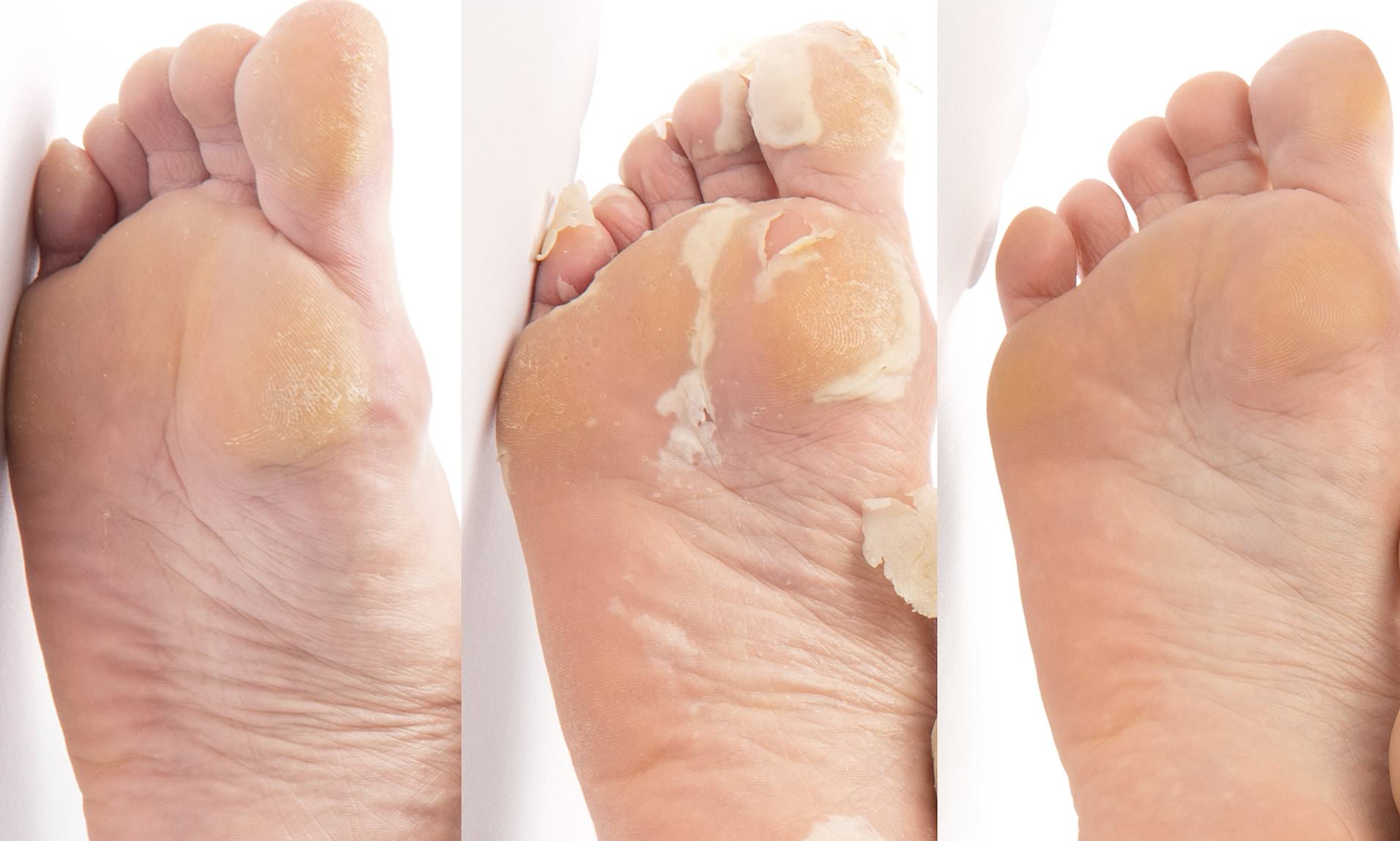
Wondering how long it takes for the foot peeling process? Well, **the duration of foot peeling** varies from person to person. Generally, it can take around **7 to 14 days** for the dead skin to start peeling off after using a foot peeling mask or treatment.
In addition to helping with foot peeling, **foot peeling can also be beneficial for other foot conditions**. It can aid in **exfoliating dry and rough skin**, reducing calluses, and softening thickened areas.
However, it’s important to consider some **risks and precautions when it comes to foot peeling**. Individuals with **diabetes, open wounds, or sensitive skin** should consult a healthcare professional before trying foot peeling. **Overuse of foot peeling products or excessive scrubbing** may lead to skin irritation. It’s advisable to follow the instructions provided and **avoid using foot peeling treatments too frequently**.

Credit: www.amazon.com
Frequently Asked Questions For Sole Of Foot Peeling
What Is Foot Peeling And How Does It Work?
Foot peeling is a process that involves using exfoliating products or treatments to remove dead skin cells and reveal smoother, softer feet. It typically works by using ingredients like acids or enzymes to break down the bond between dead skin cells, allowing them to easily slough off.
Is Foot Peeling Safe And Effective?
Yes, foot peeling is generally safe and effective when done correctly. However, it’s important to follow the instructions provided with the product or treatment to avoid any potential side effects or complications. If you have any concerns or underlying foot conditions, it’s recommended to consult with a healthcare professional before trying foot peeling.
How Long Does It Take For Foot Peeling To Show Results?
The time it takes to see results from foot peeling can vary depending on the product or treatment used. In general, you may start to notice peeling or shedding of dead skin within 3 to 7 days after application. However, it’s important to note that individual results may vary, and it may take up to 2 weeks for the full exfoliation process to occur.
Can Foot Peeling Be Used For Calluses And Rough Skin?
Yes, foot peeling can be effective for treating calluses and rough skin on the feet. The exfoliating ingredients in foot peeling products or treatments help to break down and remove the build-up of dead skin cells that contribute to calluses and roughness.
Regular use of foot peeling can help soften and smooth the skin on your feet.
Conclusion
Foot peeling is an effective way to remove dead skin and rejuvenate the soles of your feet. By using natural ingredients and following a proper skincare routine, you can achieve soft and smooth feet. Regular exfoliation and moisturization are key to maintaining healthy, beautiful feet.
So, why wait? Give your feet the pampering they deserve and say goodbye to rough, calloused skin.