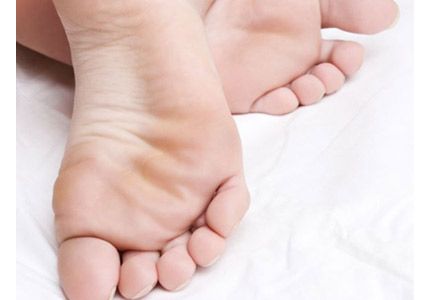
Peasant foot type is defined by the big toe, long toe, and middle toe being short and of equal length, resulting in a structurally flat foot. This foot type is often characterized by a lack of balance, and there is usually no obvious cause for flat feet.
Peasant feet are also known as “square feet” because all the toes are of the same size, giving the foot a square or rectangular appearance. People with peasant feet tend to have a patient and thoughtful personality, known for making well-thought-out decisions.
Understanding The Peasant Foot Type
The peasant foot type is a unique foot structure characterized by specific traits and features. In this section, we will delve into the definition, characteristics, structure, and common traits associated with the peasant foot type. Let’s explore this intriguing foot type in detail.
Definition and characteristics of the peasant foot type
The peasant foot type is defined by the big toe, long toe, and middle toe being short and of equal length. This unique combination of toe lengths gives the foot a symmetrical appearance. Additionally, the toes of a peasant foot may sometimes be slightly longer than usual.
The structure and shape of the peasant foot
The ‘Peasant Foot’ has all toes of practically the same length, with the big toe maybe a tad bit longer! Their feet appear square in shape because of this property. The overall structure of the peasant foot is characterized by its flatness. The lack of balance caused by the shortness of the three main toes contributes to the flat structure of the foot.
A common trait associated with the peasant foot type is flat feet. However, it’s important to note that the presence of flat feet doesn’t always imply the presence of the peasant foot type. Flat feet can be caused by various factors, whereas the peasant foot type is primarily defined by the specific lengths of the big toe, long toe, and middle toe.
Common traits and features associated with this foot type
People with peasant feet tend to possess certain personality traits and characteristics. They are often described as analytical individuals who pay attention to detail and thoroughly assess all aspects of a situation. Their thoughtfulness and patience make them excellent problem solvers and decision-makers.
- Analytical: People with peasant feet have a natural inclination towards analyzing situations and gathering information before making decisions.
- Thoughtful: Their patient and thoughtful nature means they carefully consider all aspects and possibilities before taking action.
It’s important to remember that while these traits are commonly associated with the peasant foot type, every individual is unique and may exhibit a combination of various personality traits.
Analyzing The Personality Traits
How the shape of your foot relates to your personality
When it comes to analyzing personality traits, did you know that the shape of your foot can reveal interesting insights about who you are? Your foot type can provide subtle clues about your character and behavior. Each foot shape has its own set of unique characteristics, shedding light on the diverse range of personalities in the world. In this article, we will delve into the mesmerizing world of foot shapes, focusing specifically on the intriguing peasant foot type.
Overview of the different foot shapes and their corresponding traits
Before we explore the fascinating traits of the peasant foot type, let’s take a moment to understand the various foot shapes and their corresponding personalities. Foot shapes can be categorized into different types such as Roman feet, Greek feet, Egyptian feet, and many more. Each foot shape is distinguished by the length, alignment, and proportions of the toes.
For instance, individuals with Roman feet have a prominent big toe, while the other toes taper gradually. Those with Greek feet exhibit a longer second toe, while the rest of the toes descend in length. Egyptians feet feature a long and elegant big toe that tapers uniformly with the other toes.
Now that we have a basic understanding of the diverse foot shapes, let’s uncover the captivating personality traits associated with the peasant foot type.
Unveiling the personality traits of individuals with a peasant foot type
The peasant foot type is characterized by all toes being practically the same length, with the big toe slightly longer. This gives the feet a square shape, distinguishing them from other foot types. Just like the name suggests, individuals with peasant feet possess a unique set of personality traits that make them stand out in a crowd.
People with peasant feet are known for their patience and thoughtfulness. They approach life with a meticulous mindset, carefully considering all aspects before making decisions. These individuals are analytical by nature, always seeking complete understanding and knowledge in any given situation.
Their secure and confident nature allows them to make well-thought-out choices without feeling overwhelmed or rushed. They value stability and practicality, often opting for logical solutions rather than relying solely on intuition or emotion.
In relationships, individuals with peasant feet are dependable and trustworthy. They prioritize loyalty and commitment, making them reliable partners and friends. Their patient nature allows them to listen attentively and offer thoughtful advice when needed.
Overall, the unique characteristics of the peasant foot type create individuals who are not only methodical and analytical but also patient and reliable. Their square-shaped feet mirror their well-rounded personalities, making them some of the most thoughtful individuals you’ll encounter.
So, the next time you meet someone with a square-shaped foot, pay attention to their meticulous nature and profound ability to analyze situations. It’s fascinating how a simple foot shape can provide valuable insights into a person’s character and behavior.
The Significance Of Peasant Feet
Implications of having a peasant foot type
Having a peasant foot type can have various implications on an individual’s physical and psychological well-being. Understanding these implications can provide insights into the significance of peasant feet and how they contribute to an individual’s overall identity. Here are some key implications to consider:
- Structural considerations: Peasant feet are characterized by the big toe, long toe, and middle toe being short and of equal length, resulting in a flat-footed structure. Individuals with this foot type may experience challenges in maintaining balance and stability due to the lack of arch support.
- Potential health issues: Flat feet, commonly associated with peasant foot type, may increase the risk of developing foot-related problems such as plantar fasciitis, Achilles tendonitis, and bunions. It is important for individuals with peasant feet to adopt proper footwear and seek appropriate care to mitigate these potential health issues.
- Walking and gait patterns: The structure of peasant feet can influence an individual’s walking and gait patterns. Some individuals with this foot type may exhibit a pronation pattern, where the foot rolls inward excessively during each step. Understanding how foot shape affects walking patterns can help address any discomfort or difficulties related to mobility.
- Sporting and athletic considerations: Peasant foot type can have an impact on an individual’s performance in sports and athletic activities. The lack of arch support and stability may affect an individual’s ability to engage in specific movements or exercises. Athletes with peasant feet may need to explore appropriate footwear and consult with sports specialists to optimize their performance and prevent potential injuries.
- Body posture and alignment: The structure of the feet plays a crucial role in maintaining proper body posture and alignment. Individuals with peasant foot type may experience challenges in maintaining optimal alignment throughout their bodies, potentially leading to compensatory issues in the legs, hips, and spine. Individuals with this foot type should consider seeking professional advice to address any postural imbalances.
The role of foot shape in self-expression and identity
The shape of our feet can contribute significantly to our self-expression and overall identity. While often overlooked, peasant feet showcase a unique characteristic that sets individuals apart and can be integral to their personal narrative. Here are a few ways in which foot shape impacts self-expression and identity:
- Aesthetic appearance: Different foot shapes, including the peasant foot type, add diversity to the aesthetics of our physical features. Embracing the appearance of our feet, regardless of their shape, can contribute to a positive body image and self-confidence. Understanding that foot shape is a natural part of diversity can enhance self-acceptance and self-expression.
- Cultural symbolism: Certain cultures may assign specific interpretations and symbolism to foot shapes, including the peasant foot type. Exploring the cultural significance of peasant feet can provide individuals with a deeper understanding of their heritage and cultural identity. This knowledge can foster a sense of connection and pride in one’s roots while promoting inclusivity and appreciation of diverse foot shapes.
- Individuality and uniqueness: Foot shape, including the peasant foot type, adds to an individual’s uniqueness and distinguishes them from others. Embracing and accepting one’s unique foot shape can contribute to a sense of self and individuality. It becomes a part of one’s personal story, allowing self-expression and celebration of one’s individual differences.
Exploring the cultural interpretations and perceptions of peasant feet
Peasant feet have long been subjects of cultural interpretations and perceptions across various societies. Different cultures ascribe different meanings and beliefs to foot shapes, including the peasant foot type. Exploring these cultural interpretations provides insights into how peasant feet have been perceived throughout history. Here are some notable examples:
| Culture | Perceptions and Interpretations |
|---|---|
| Ancient Egypt | In ancient Egyptian culture, the peasant foot type was closely associated with lower social classes and often represented humility and simplicity. It was considered an attribute of hardworking individuals who were close to the land. |
| Chinese culture | In Chinese culture, peasant feet were traditionally associated with endurance and resilience. The flat structure represented a connection to the earth, symbolizing a sense of groundedness and stability. |
| European folklore | In European folklore and fairy tales, the peasant foot type was often linked to characters who were depicted as wise, practical, and hardworking. These individuals were seen as embodiments of modesty and practicality. |
Exploring these cultural interpretations and perceptions can deepen our understanding of the significance and historical context of peasant feet. It allows us to appreciate the diversity of beliefs and narratives surrounding foot shape, promoting inclusivity and respect for different cultural perspectives.
In conclusion, peasant feet hold significant meaning and implications for individuals’ physical well-being, self-expression, and cultural significance. Understanding the significance of peasant feet provides a unique lens through which we can appreciate the intricacies of our bodies, heritage, and personal narratives. Embracing and accepting our foot shape, regardless of its type, fosters self-acceptance, authenticity, and celebration of our individuality.
Frequently Asked Questions On Peasant Foot Type
What Does Peasant Feet Mean?
Peasant feet refers to a foot type where the big toe, long toe, and middle toe are short and of equal length. This foot type is structurally flat to accommodate for the lack of balance caused by the shortened toes.
It is often characterized by having no obvious cause for flat feet. People with peasant feet are known to be analytical and make well-thought-out decisions.
What Is The Rarest Type Of Foot?
The rarest type of foot is the Peasant foot, characterized by the big toe, long toe, and middle toe being short and of equal length. This foot shape appears square in shape and is structurally ‘flat’. There is no obvious cause for flat feet in this foot type.
What Is The Peasant Foot Personality?
The peasant foot personality is characterized by all toes being of the same length, creating a square-shaped appearance. People with peasant feet are analytical and detail-oriented. They make well-thought-out decisions and are secure in themselves.
What Does The Peasant Foot Look Like?
The peasant foot is characterized by all toes being practically the same length, with the big toe slightly longer. This gives the foot a square shape. People with peasant feet are known for their patience and thoughtfulness.
Conclusion
Peasant foot type, characterized by the equal length of the big toe, long toe, and middle toe, is structurally flat. Individuals with peasant feet are known for their analytical nature, thoroughly examining every aspect before making decisions. Patience and thoughtfulness are their defining traits.
Understanding the different foot types can provide valuable insights into one’s personality. Embrace the uniqueness of your peasant feet and embrace the analytical mindset that comes with it.